
 Image 1 of 2
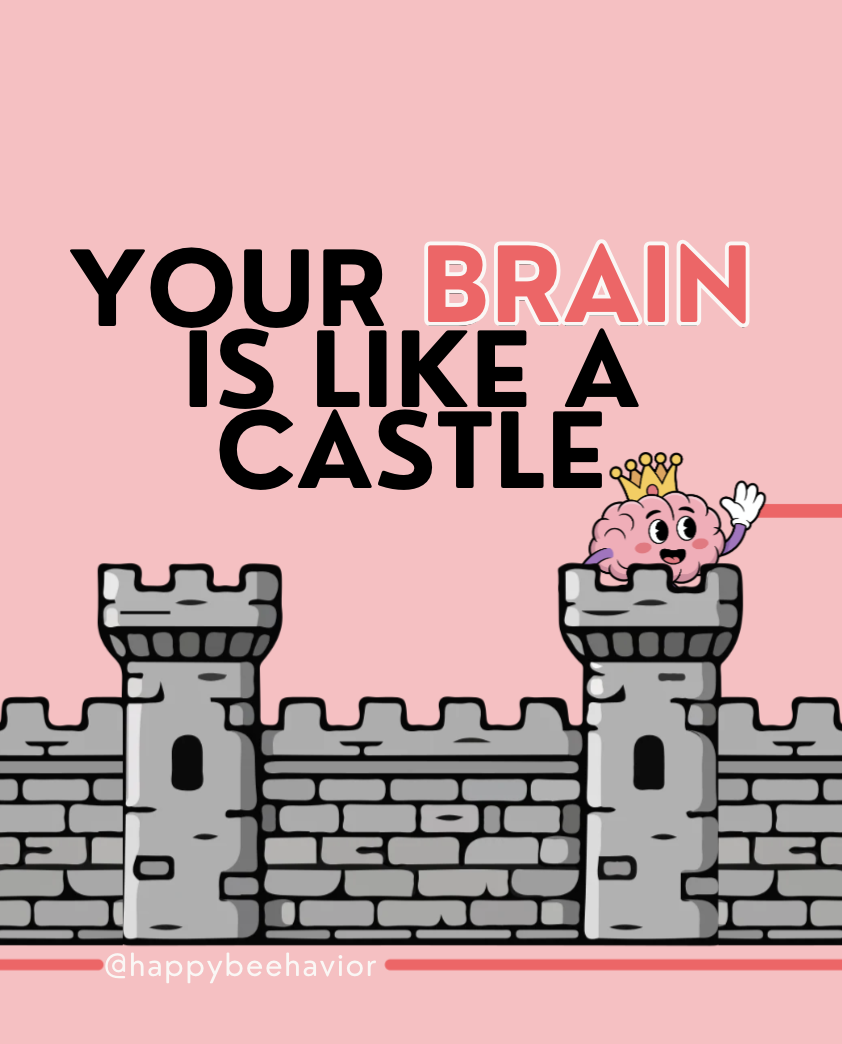 Image 2 of 2
Simple, easy to understand downloads from Happy Beehavior that explain big topics in a gentle way. These guides help kids, parents, and caregivers understand things like autism, emotions, and behavior using clear words and real life examples. Each download is made to support learning, empathy, and connection in everyday moments.
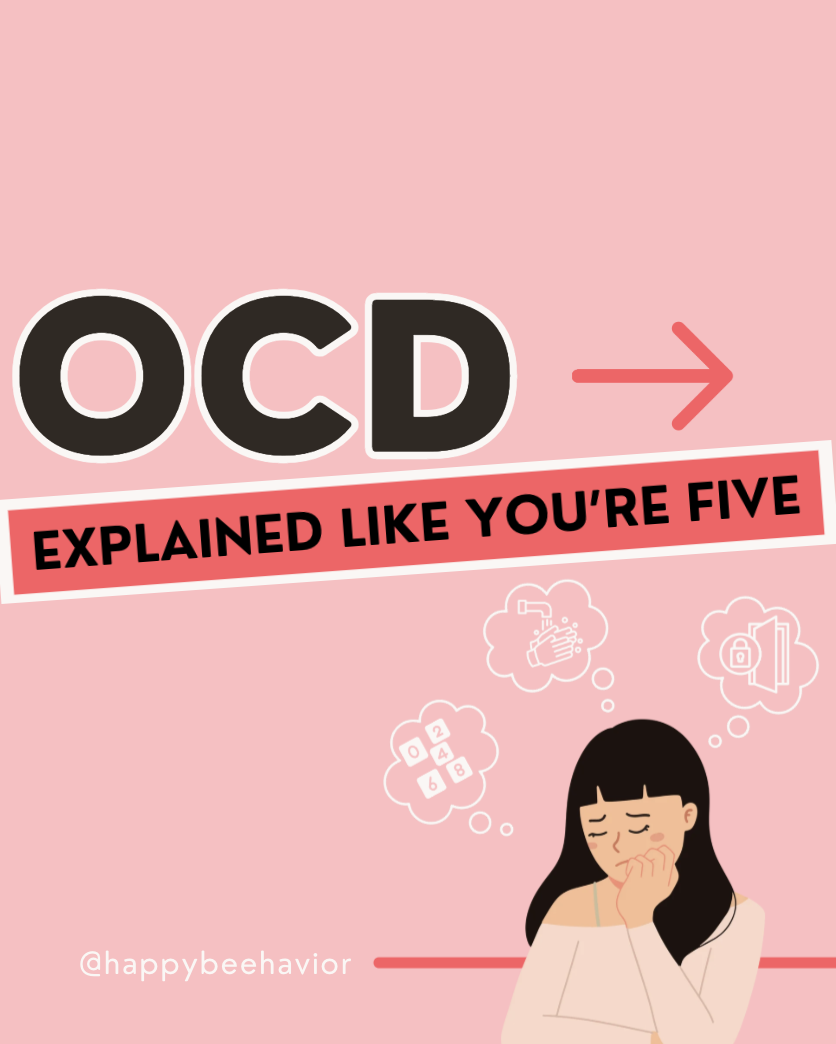
OCD, or Obsessive-Compulsive Disorder, is a mental disorder characterized by intrusive thoughts (obsessions) and repetitive behaviors or mental acts (compulsions) performed to reduce the distress caused by those thoughts. Understanding the cycle of obsessions and compulsions helps explain why OCD can feel persistent and distressing despite rational knowledge that the fears are unlikely or unnecessary.
These OCD knights are always on alert, looking for problems or “what ifs.” Some knights want everything to feel just right. Some want to check things again and again. Some notice things that don’t really need attention.
When these knights spot something, they bring a thought or worry to your attention. That thought can make you feel anxious or uncomfortable. To try to calm the knights down, you might do a behavior, like checking, overthinking, washing, repeating, or asking questions. For a little while, the knights feel better, but then they notice the problem again. This starts the OCD cycle: thought → worry → behavior → temporary relief → thought again.
If you know someone with OCD, pls remember this cycle and be patient, understanding, and supportive 🤍
Simple, easy to understand downloads from Happy Beehavior that explain big topics in a gentle way. These guides help kids, parents, and caregivers understand things like autism, emotions, and behavior using clear words and real life examples. Each download is made to support learning, empathy, and connection in everyday moments.
OCD, or Obsessive-Compulsive Disorder, is a mental disorder characterized by intrusive thoughts (obsessions) and repetitive behaviors or mental acts (compulsions) performed to reduce the distress caused by those thoughts. Understanding the cycle of obsessions and compulsions helps explain why OCD can feel persistent and distressing despite rational knowledge that the fears are unlikely or unnecessary.
These OCD knights are always on alert, looking for problems or “what ifs.” Some knights want everything to feel just right. Some want to check things again and again. Some notice things that don’t really need attention.
When these knights spot something, they bring a thought or worry to your attention. That thought can make you feel anxious or uncomfortable. To try to calm the knights down, you might do a behavior, like checking, overthinking, washing, repeating, or asking questions. For a little while, the knights feel better, but then they notice the problem again. This starts the OCD cycle: thought → worry → behavior → temporary relief → thought again.
If you know someone with OCD, pls remember this cycle and be patient, understanding, and supportive 🤍