
 Image 1 of 3
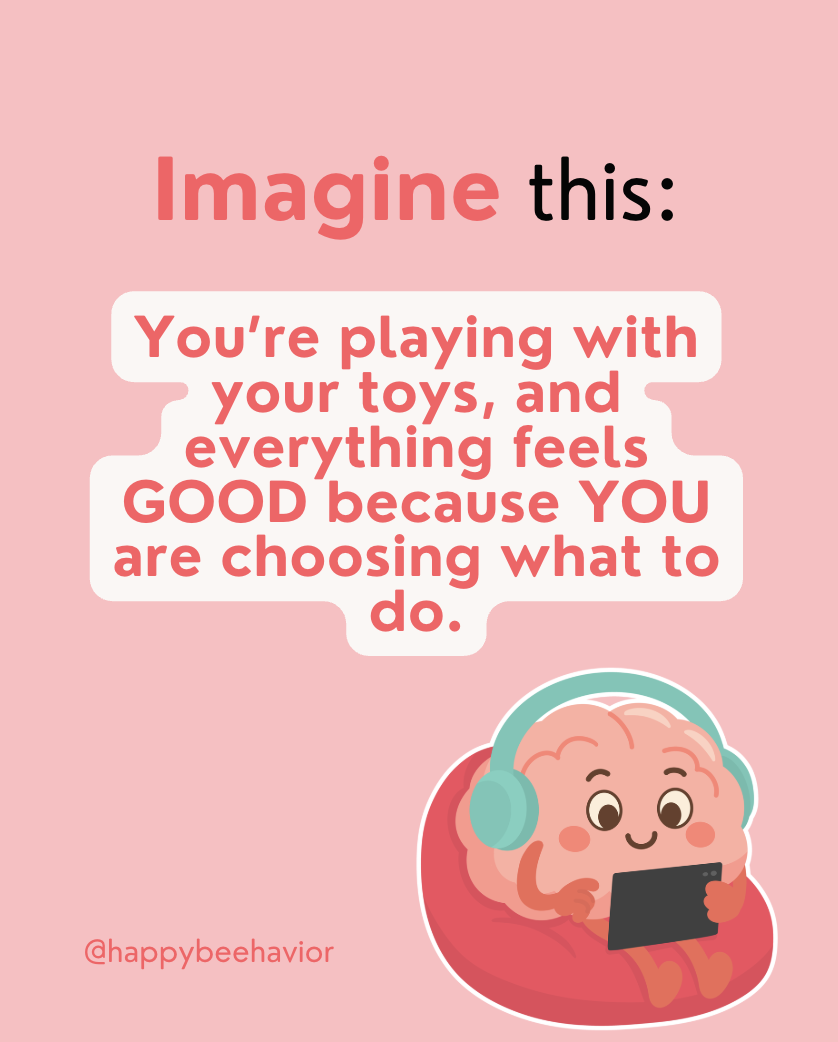 Image 2 of 3
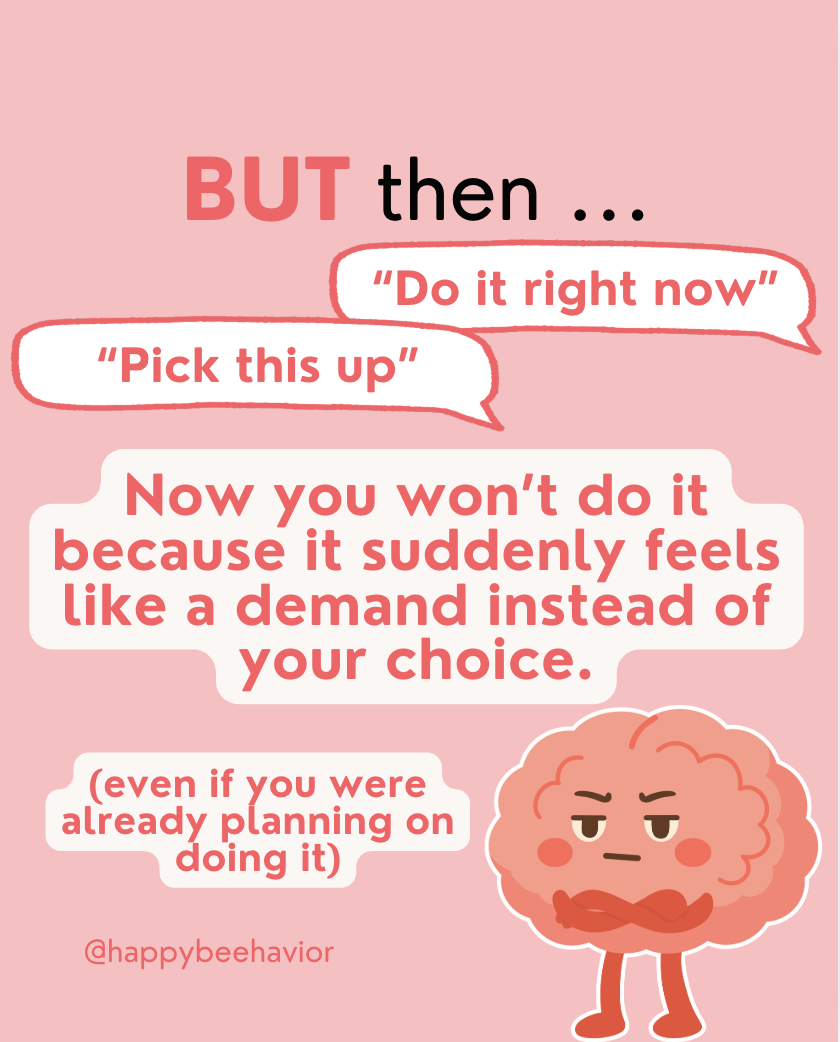 Image 3 of 3
Simple, easy to understand downloads from Happy Beehavior that explain big topics in a gentle way. These guides help kids, parents, and caregivers understand things like autism, emotions, and behavior using clear words and real life examples. Each download is made to support learning, empathy, and connection in everyday moments.
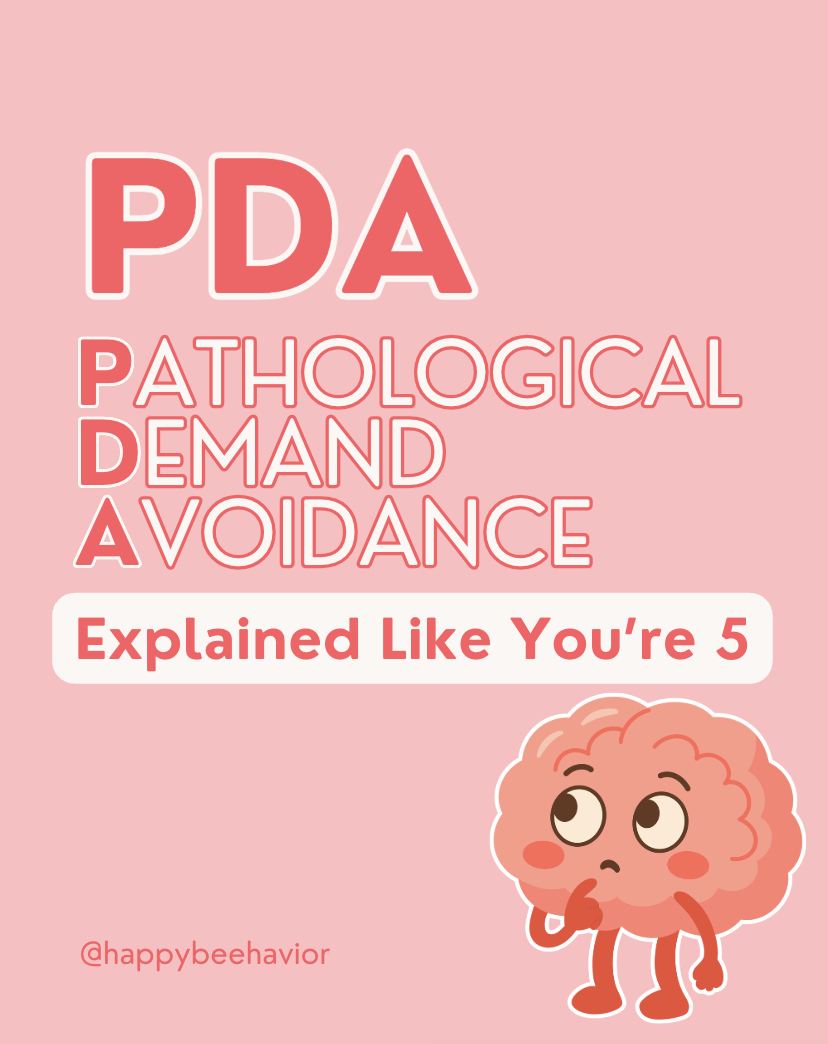
PDA stands for Pathological Demand Avoidance. It is often used as a way to describe a pattern seen in some autistic individuals, where everyday requests or expectations can feel overwhelming and lead to strong avoidance.
Even when a task is planned or something the person wants to do, it can become difficult once it is presented as an instruction or expectation from someone else. The shift from choice to demand is what often creates the difficulty.
People with this profile may avoid, delay, or struggle to start tasks, especially when they feel pressure or loss of control.
Support is often more effective when demands are reduced and choices are offered, allowing the person to feel more in control of what they are doing.
Remember: it is not intentional behavior. It reflects how the person experiences and responds to perceived pressure in the moment.
Simple, easy to understand downloads from Happy Beehavior that explain big topics in a gentle way. These guides help kids, parents, and caregivers understand things like autism, emotions, and behavior using clear words and real life examples. Each download is made to support learning, empathy, and connection in everyday moments.
PDA stands for Pathological Demand Avoidance. It is often used as a way to describe a pattern seen in some autistic individuals, where everyday requests or expectations can feel overwhelming and lead to strong avoidance.
Even when a task is planned or something the person wants to do, it can become difficult once it is presented as an instruction or expectation from someone else. The shift from choice to demand is what often creates the difficulty.
People with this profile may avoid, delay, or struggle to start tasks, especially when they feel pressure or loss of control.
Support is often more effective when demands are reduced and choices are offered, allowing the person to feel more in control of what they are doing.
Remember: it is not intentional behavior. It reflects how the person experiences and responds to perceived pressure in the moment.